Finance Ministry: cutting VAT on fuel would breach EU rules
Latvia's Finance Ministry says a proposed cut in VAT on fuel from 21% to 12%, put forward by the Greens and Farmers Union, would conflict with EU VAT rules, since motor fuel is not among the goods eligible for reduced rates.
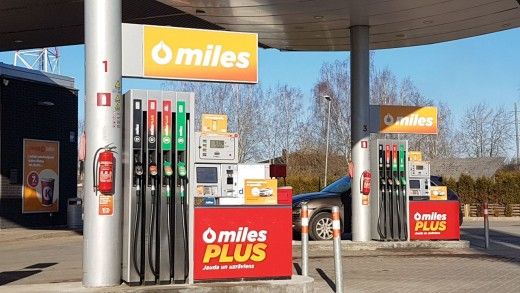
Latvia's Finance Ministry (FM) has told the LETA news agency that reducing the VAT rate on fuel cannot be done without breaching European Union regulations. The statement responds to a proposal from the Greens and Farmers Union (ZZS) to lower fuel VAT from 21% to 12% by the end of the year.
Why the EU rules block it
The ministry explained that VAT is a harmonized tax across the EU, governed by the EU VAT Directive. Under that directive, member states must generally apply the standard VAT rate, with reduced rates allowed only for specific categories such as food, medicines, passenger transport, books, and certain energy products. Motor fuel is not on that list, meaning EU states have no legal basis to apply a reduced VAT rate to petrol, diesel, or other transport fuels.
The FM added that amendments to EU VAT rules adopted in 2022 further reinforced a shift away from expanding VAT advantages for environmentally harmful products, in line with the goals of the EU Green Deal. The ministry noted that Poland and Spain temporarily introduced reduced VAT rates on fuel in response to sharp price rises, but the European Commission publicly stated such measures did not comply with the current VAT directive and requested explanations from both countries.
Estimated impact and alternative measures
The Economy Ministry (EM) calculated that cutting the rate from 21% to 12% would, at current pump prices, lower diesel prices by roughly 15.6 cents per liter and petrol prices by about 14.6 cents per liter, provided the tax cut is fully passed on to retail prices.
Economy Minister Viktors Valainis had previously suggested reviving a windfall, or solidarity, payment on fuel sellers instead, arguing it would ensure that savings from a reduced excise tax reach consumers rather than staying with fuel retailers. The government backed such an EM proposal in April, applying the payment when retail prices exceeded a reference price by more than 3%, with funds earmarked for strengthening fuel supply security through 2026. However, business organizations, several state institutions, and fuel retailers objected, citing risks to free-market principles, and the bill later failed to gain support in parliament.