Kalviņš: Viswanathan's scientific work cannot be judged by publication count alone
Ivars Kalviņš, president of the Latvian Academy of Sciences, says Divya Viswanathan's output should be judged differently from that of academic researchers, because she has worked in pharmaceutical business. He said she has about ten publications in Indian journals.
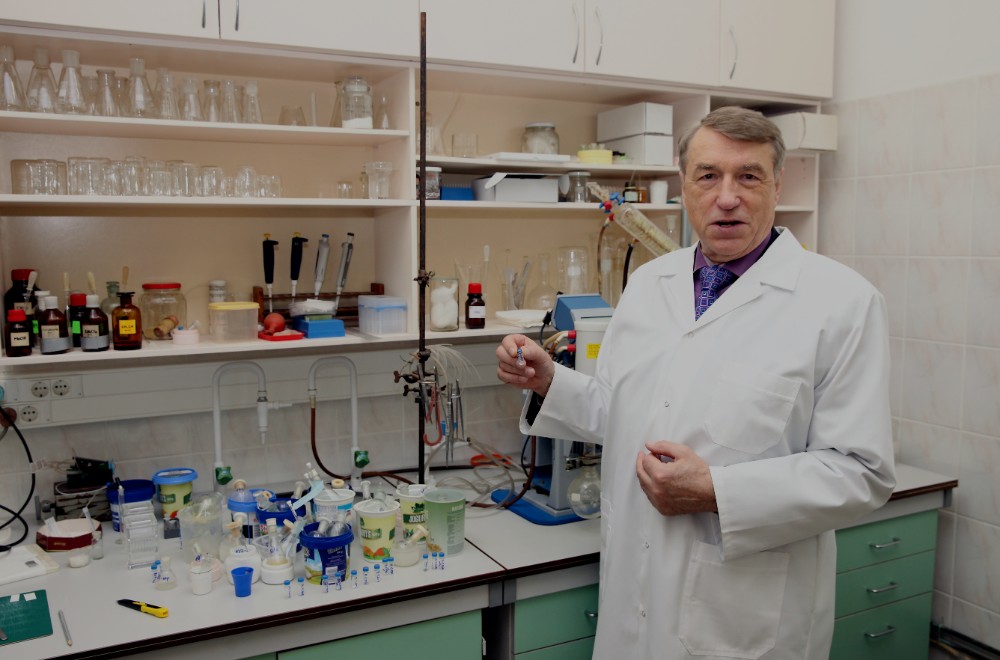
Ivars Kalviņš, professor, academician and president of the Latvian Academy of Sciences, defended the scientific work of Divya Viswanathan on the TV24 programme “Uz līnijas”. Public debate about Viswanathan has raised doubts about her education, as well as about the number of her publications and how often they are cited. Kalviņš argues that two different worlds of scientific work are being confused.
Doubts over education and publications
The programme noted that her education and publication record have both prompted public questions. One argument raised was that if Indian institutions have confirmed the authenticity of her education documents, people in Latvia have limited means to judge it themselves. A scientist's publications and citations, by contrast, are easier to check.
Kalviņš stressed that publication numbers cannot be assessed separately from the field and setting in which a person works. In academic, theoretical and fundamental science, articles in internationally recognised journals, their quality, citations and the impact indicators of the journals are key. The private sector, such as pharmaceutical companies, is different, he said. He noted that little is known about the publications of the thousands of scientists at large pharmaceutical firms, and that in business, patents, technology development, production solutions and projects may matter more.
Viswanathan's case
Kalviņš said Viswanathan has roughly ten publications in Indian journals. In his words, India also has a wide range of scientific and professional journals, and not all follow the traditional academic model. He said entrepreneurs have little reason to wait while several editors review an article and publication takes two years, so they often choose industry publications.
Kalviņš asserts that Viswanathan's publications have largely related to the pharmaceutical business: production, sales, global markets, regulation and supply chains. He linked this to her professional experience in a family pharmaceutical company. He also mentioned her connection to the open innovation environment of the Haas School of Business at the University of California, Berkeley, where, according to him, she received a scholarship and could use the university's research infrastructure.
Kalviņš disagrees with an approach that determines a scientist's professional value only by publication count or citations. In his view, practically implemented projects, investments and the application of knowledge in business should also be considered.