Why plug-in hybrids cover fewer electric kilometres in winter
In cold weather a plug-in hybrid's battery delivers less energy and cabin heating draws on it, so the all-electric distance shrinks. How much it differs between models also depends largely on the driver's habits.
Plug-in hybrids, which combine a battery that can be charged from the grid with a petrol engine, behave differently in winter than in summer. A review by the Latvian car portal iAuto.lv notes that in the cold the battery can deliver less energy, the cabin needs heat, and the petrol engine switches on more often. That does not mean this type of car is unsuited to winter, but the cold makes the differences between models easier to see.
Not only the battery
In low temperatures less energy can be drawn from the battery, and its power may be limited until it warms up. Energy recovery during braking can also be restricted, and charging may take longer. Cabin heating, winter tyres, snow, wet roads and greater air resistance add to energy use.
In a study published in 2019 by the European Commission's Joint Research Centre, the tested hybrid covered 20.1 km on electricity alone before the petrol engine started at 23 °C. At −7 °C with the cabin set to 21 °C, the distance fell to 15.5 km, roughly 23% less. WLTP, the standardised test procedure, still helps compare cars, but it is a laboratory result, not an everyday promise.
Models differ
Cabins are heated either by an electric heater, which works immediately but uses more electricity, or by a heat pump, which is more economical but loses efficiency in severe frost. In some cars the petrol engine switches on in heavy frost anyway.
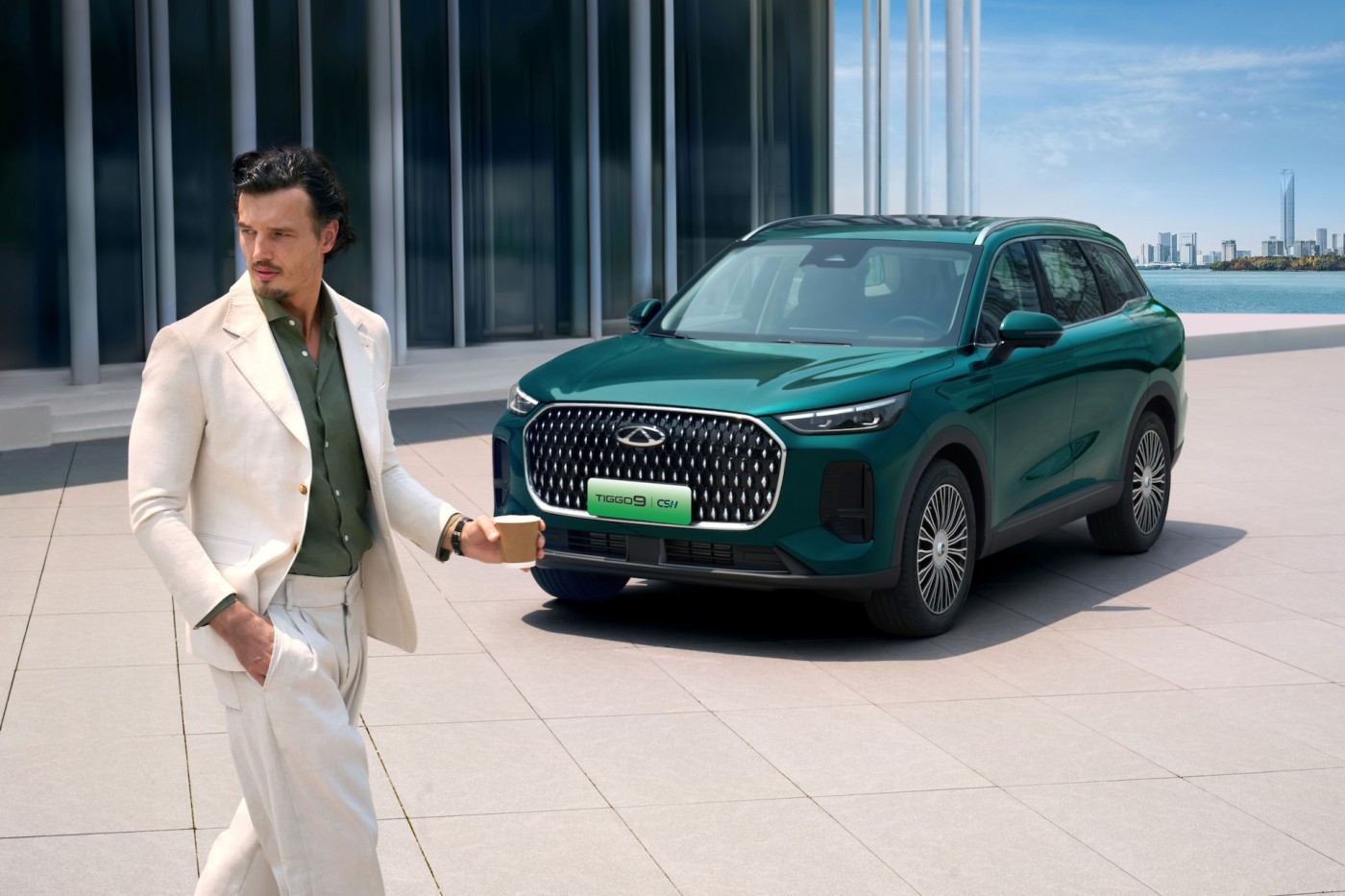
Under WLTP, the Chery Tiggo 7 PHEV can cover 90 km on electricity alone, the Tiggo 9 PHEV 144 km, the Volvo XC60 T6 AWD up to 79 km, the Škoda Kodiaq iV up to 123 km and the Volkswagen Tiguan eHybrid up to 126 km. In winter these distances will be shorter in every case.
A “0 km” reading does not mean the battery is empty: the system keeps part of the energy for hybrid mode and to protect the battery.
Preparing for the trip
The cabin can be preheated while the car is plugged in, which saves battery energy. Heated seats and steering wheels warm the person rather than the air. Windows should be clear, snow removed and tyre pressure checked. Several short trips are best combined. When choosing a car, the article says, what matters more than the stated maximum range is how often daily driving can be done on electricity alone and how much fuel the car uses once electricity runs out.