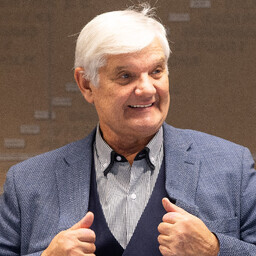
Kõlvart: State finances cannot be fixed at the expense of the economy
Mihhail Kõlvart criticizes Estonia's ruling parties for addressing the budget deficit with an Excel-table approach, while rejecting a bank tax and overspending on projects like Rail Baltic.

Tallinn Mayor Mihhail Kõlvart has sharply criticized the government's approach to tackling Estonia's state budget deficit, which amounts to nearly one billion euros. According to him, the situation would not be so critical if the so-called tax hump had not been abolished and a bank tax had been introduced.
Kõlvart stated that the ruling parties are applying dogmatic thinking, trying to patch the budget gap with an Excel table, which previously led to an economic crisis. He cited the car tax, which devastated car trade, and increases in income and turnover taxes, which reduced consumption and harmed the business environment.
He was particularly critical of proposals from former finance ministers Mart Võrklaev and Aivar Sõerd. These include taking money from local governments, raising specialist visit fees, and other measures that, in his view, would again be taken from residents' pockets. Such actions would harm municipalities, as they would lose the ability to freely manage tax revenues.
Kõlvart calls for introducing a bank tax on excess profits, which could yield up to half a billion euros annually for the state. He noted that such a tax works successfully in Lithuania without negative consequences.
Regarding expenses, Kõlvart criticized the Rail Baltic project. Initially estimated at €3.7 billion, it now costs over €15 billion. Latvia will not complete its section by 2030, yet Estonia is spending an extra €200 million annually to accelerate construction, which would overheat the construction market. As a result, the train would run only to a forest near Häädemeeste for several years.
He also objects to government support for wind farms through loan guarantees or minimum prices. He warns that this could create unpredictable risks for taxpayers, citing bankrupt projects in Sweden and the Netherlands. A sustainable solution would be for producers to bear the costs themselves.
Kõlvart concludes that improving state finances requires a change in mindset – understanding that money for the budget comes from business activity, not from tables. He doubts that the current government can correct mistakes and lead the country out of crisis.