Lithuania's National Audit Office: Deficit Could Approach 6% of GDP by 2029
Lithuania's National Audit Office says the government's draft 2027–2029 budget breaches national and EU fiscal rules. It warns the deficit could approach 6% of GDP by 2029.
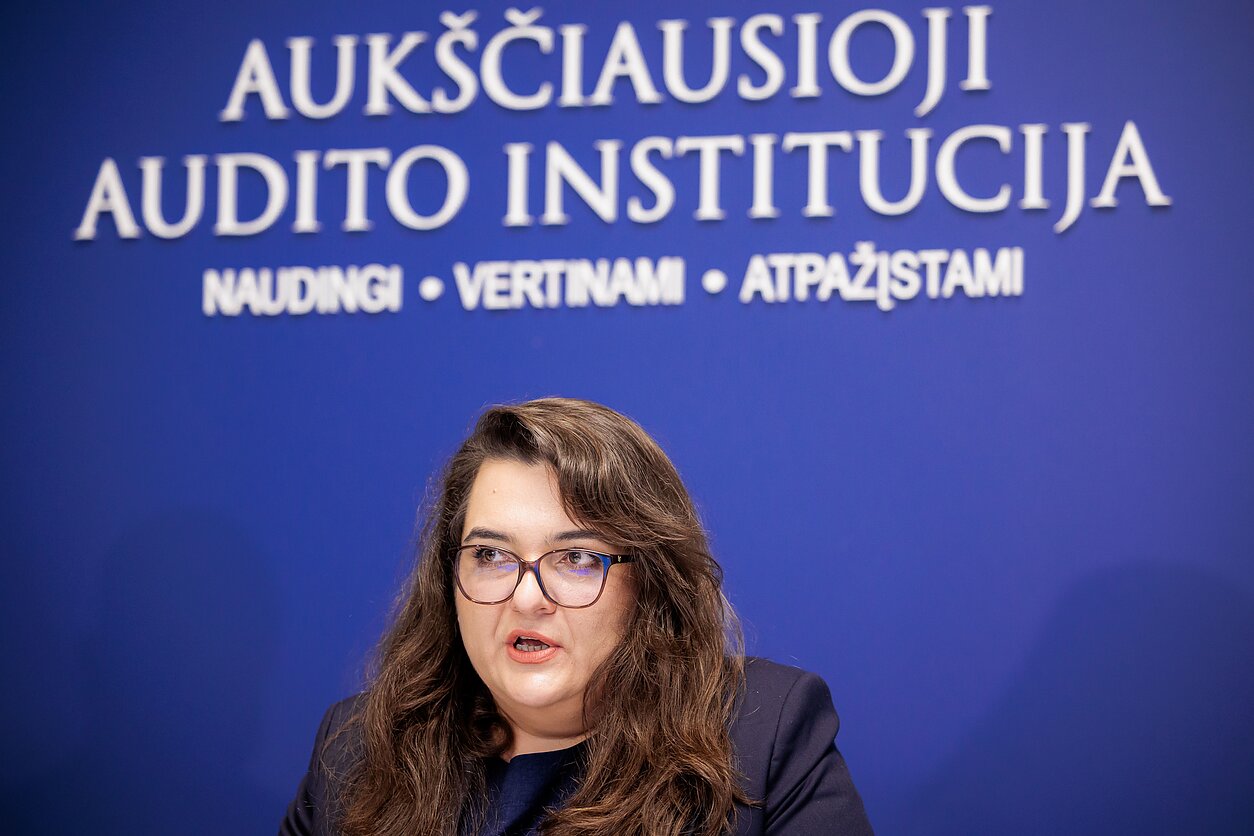
Lithuania's National Audit Office, an independent fiscal watchdog, said on Friday that the government's draft budget for 2027–2029 was prepared in breach of national and European Union fiscal rules. By its estimates, the general government deficit could approach 6% of gross domestic product (GDP) in 2029, while public debt could near the Maastricht threshold of 60% of GDP.
Which rules are breached
The office found that planned net expenditure growth in 2026–2029 exceeds permissible limits, even after accounting for the temporary exemption for defence spending. The draft budget also projects a deficit above 3% of GDP in each of those years. The institution urged the government to revise the draft or provide a reasoned explanation for the deviations, together with an action plan and deadlines.
Gaps in the projections
The auditors say some expected spending has been left out. The 2027 plan, for example, omits expenditure on railway infrastructure and support for Ukraine. On the revenue side, it includes 197 million euros from improved tax administration, whose impact is highly uncertain and which, in the office's view, should not be counted. The 2028–2029 projections also underestimate known commitments: public sector pay rises, additional pension indexation and higher state contributions for people covered by state-funded health insurance.
The higher deficit in the 2026 progress report is largely due to changes in accrual adjustments for military equipment purchases. Such spending is recorded when the equipment is delivered rather than when it is paid for, adding on average 0.8 percentage points of GDP per year to the deficit.
What the office recommends
The office estimates the deficit will stay above 3% of GDP over the medium term even without new discretionary spending. To keep it below 3% in 2029, Lithuania would need to cut it by more than 3 billion euros. Auditor General Irena Segalovičienė warned that long-term commitments are growing faster than revenues. Jurga Rukšėnaitė, head of the Fiscal Surveillance Department, stressed that decisions on sustainable state revenue are essential.
The institution recommended finding sustainable additional revenue, broadening the tax base, reviewing tax exemptions and improving tax collection. Lithuania ranks 23rd among the EU's 27 member states for tax and social security revenue as a share of GDP.