Is premium “PRO” fuel worth the price? What tests and price forecasts show
Fuel prices in Latvia have risen sharply in recent months, and drivers are debating whether premium fuel protects engines and injectors. Germany's ADAC motoring club concludes that standard fuel is enough for most everyday cars.
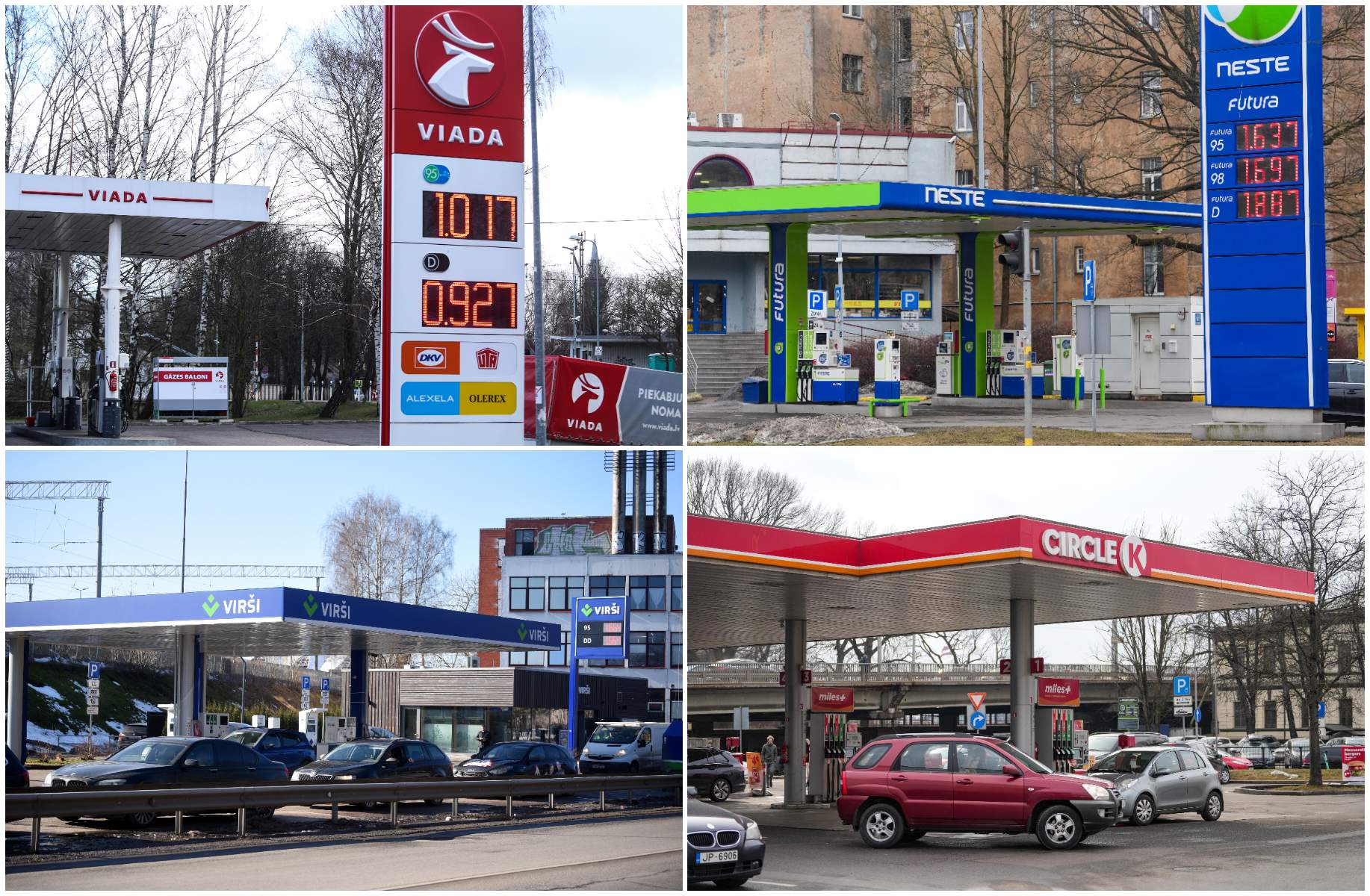
Drivers in Latvia are debating on social media whether premium, or “PRO”, fuel really protects engines and injectors, while fuel prices in the country climb sharply. The discussion was started by a diesel car owner who has already had injector trouble. Opinions in the comments differ: some have used one brand for years without problems, others believe fuel across the networks is nearly identical.
Is all fuel the same?
Some retailers can buy base fuel from the same producer. Latvian chain Virši says it orders fuel from the Orlen Lietuva refinery in Mažeikiai, while Neste supplies Latvia from Finland. In 2018 the Latvian Television programme “Aizliegtais paņēmiens” compared fuels in a laboratory and found that all Latvian fuels met requirements, with Neste slightly better on some petrol parameters. The final product is shaped by additives, octane or cetane number, cold-weather properties and storage.
“PRO” is not a legally defined class but a commercial label. Regular fuel in Europe must meet the EN 228 (petrol) and EN 590 (diesel) standards. Germany's ADAC motoring club concluded in 2026 that standard fuel is fully sufficient for most everyday cars and that premium fuel does no harm to engines, but the benefit may be too small to justify the higher price.
Studies indicate that detergent additives can limit deposit build-up in injectors. However, injectors are also damaged by mechanical particles, water, corrosion and wear, which pricier fuel cannot fix, says manufacturer Delphi.
Prices and forecasts
In the week of 19 October, 95 petrol averaged about €1.929 per litre in Latvia and diesel about €2.066. On 26 October in Riga, Circle K's premium Dmiles+ cost 13 cents more per litre than its regular diesel. Eurostat data show diesel prices rose 10.3% in September and petrol 8.3%. Brent crude costs about $115 a barrel, mainly because of tensions in the Middle East.
The US Energy Information Administration expects Brent to average about $84 in 2027. An additional risk is excise duty: if the temporary reduction is not extended beyond 31 December, petrol could rise by about 8 cents per litre and diesel by about 17 cents.
To protect injectors, a trusted station, timely fuel filter changes and caution about water in the fuel may matter more than a “PRO” label.