New study: Flores hobbits were not big-game hunters but scavengers
Scientists have found that Homo floresiensis, known as hobbits, fed on the remains of pygmy elephants left by Komodo dragons rather than hunting them themselves. This challenges previous assumptions about the species' origins and abilities.
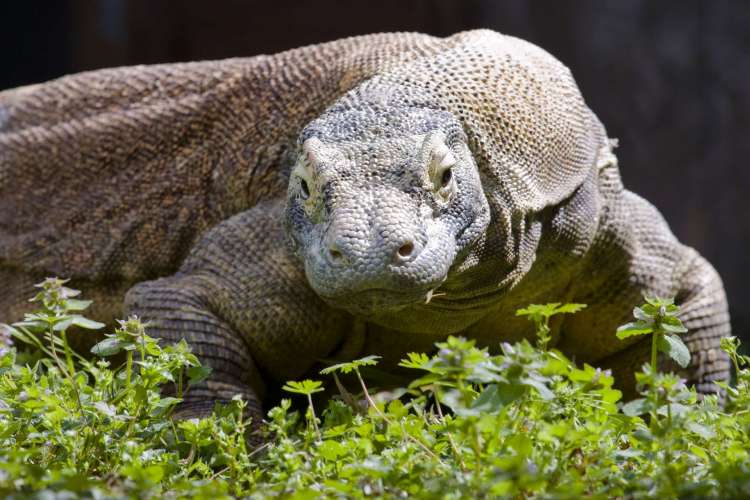
Until about 60,000 years ago, the Indonesian island of Flores was home to tiny hominins known as Homo floresiensis, nicknamed hobbits. They shared the island with Komodo dragons, pygmy elephants (Stegodon), and giant rats. Earlier evidence suggested that the hobbits hunted and butchered dwarf elephants, but a new study paints a different picture.
Anthropologist Elizabeth Veatch from the University of Tübingen and her colleagues analyzed pygmy elephant bones from Liang Bua cave, the same site where hobbit remains were found. The bones bore marks from both Komodo dragon teeth and stone tools. The team concluded that Komodo dragons were the hunters, while hobbits scavenged the leftovers.
To distinguish the marks, the researchers fed a goat carcass to a Komodo dragon at Zoo Atlanta and compared the resulting tooth marks to those on the Stegodon bones. Komodo dragon tooth marks were shallower, shorter, and wider than cut marks from stone tools. The dragons targeted the meatiest parts—limbs, ribs, and fat-rich feet—while stone tool marks appeared on less desirable parts. This pattern matches scavenging rather than hunting.
No evidence of fire was found in the hobbit layers at Liang Bua, suggesting they ate meat raw. This challenges the idea that hobbits organized to hunt large prey. If they were not big-game hunters and did not use fire, they may have descended from earlier, less cognitively advanced hominins like Homo habilis or Homo rudolfensis, rather than from Homo erectus.
However, the researchers note that even without hunting, hobbits may have been intelligent. Their brain structure suggests a well-developed prefrontal cortex, associated with planning. It is possible that hunting pygmy elephants was simply not worth the effort—giant rats were a much better return on investment. The study was published in Science Advances in 2026.

