Researcher: Soviet nostalgia in Lithuania may be longing for industrial modernity
Ainė Ramonaitė, a professor at Vilnius University, argues that some Lithuanians' less critical view of the Soviet past may stem from nostalgia for the industrial era rather than sympathy for the Soviet system. Similar sentiments are seen in deindustrialised regions of the West.
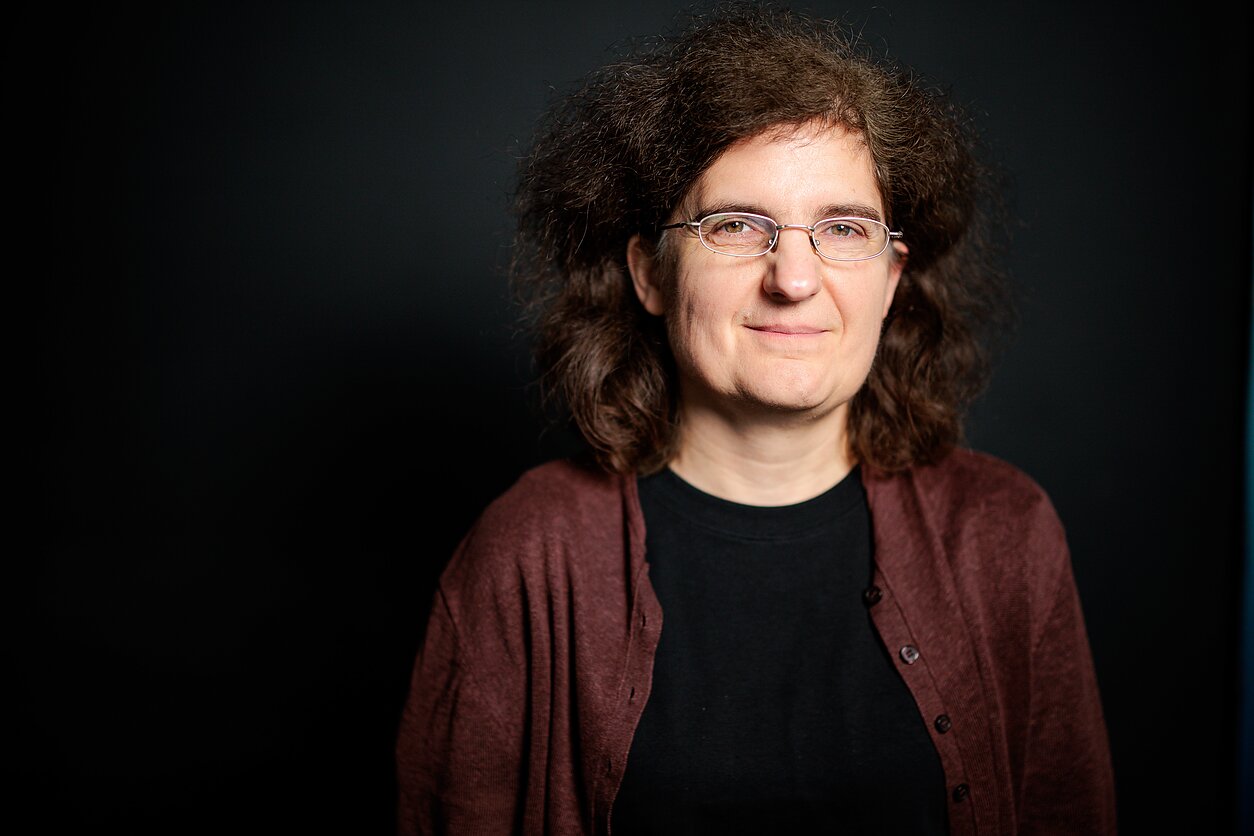
For a long time, the prevailing view in Lithuania was that part of the electorate felt nostalgia for the Soviet era. Supporters of the Homeland Union–Lithuanian Christian Democrats judge the Soviet occupation unequivocally negatively, while supporters of the left were seen as less critical and therefore, if not pro-Russian, then at least not critical enough of Moscow. In an interview with LRT.lt, Ainė Ramonaitė, a professor at the Institute of International Relations and Political Science at Vilnius University, says this attitude may reflect longing for the industrial past rather than support for the Soviet system.
Parallels with the West
Ramonaitė notes that similar social resentment and nostalgia are visible in deindustrialised regions of the US and Western Europe. Politically, they show up as votes for more radical parties that channel the anger of disaffected groups but offer no solutions. Deindustrialisation is cited when explaining why some people voted for Donald Trump, Brexit or the AfD. According to the researcher, this may also apply to Lithuania and partly explain why some voters are drawn to parties positioned against the mainstream.
Interviews in Panevėžys
The researcher relies mainly on biographical interviews conducted in 2021 with people over 50 in the northern town of Panevėžys and its surroundings. In the Soviet period the town hosted large factories such as Ekranas, Aurida and Lietkabelis, but industry contracted sharply after 1990. Similar stories exist in other Lithuanian towns and in rural areas. Interviewees, without being prompted, spoke of the economic upheaval of the 1990s, yet did not discuss the political regime, only social and economic issues.
According to Ramonaitė, accounts of 1988–1991 are consistent: people speak of an “uplift” and of the events of 13 January 1991. The narratives begin to diverge after around 1992. Some feel things have been moving in the right direction, while others compare the period with the post-war years, when collectivisation and collapse seemed similar.
Lost dignity
Experiences fall into two broad groups. For the first, the Soviet period was an era of modernity that collapsed during post-socialist transformation; they fondly recall hard factory work and a sense of shared purpose. The second group sees the transformation as genuine modernisation, stressing disorder, heavy drinking and a poor work ethic in the Soviet period. The researcher says that on both sides of the former Iron Curtain people are not allowed to grieve properly: in the West they are called backward, in Lithuania pro-Soviet or “vatniks”.