Only about 100 of Tallinn's 1,200 public transport stops have electronic displays
In Tallinn, the capital of Estonia, around 100 of 1,200 public transport stops have real-time information displays. The city is adding more gradually but does not plan to equip every stop.
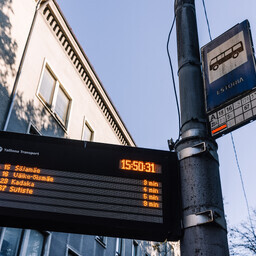
Only about 10 percent of public transport stops in Tallinn, the capital of Estonia, have electronic real-time information displays. The city intends to install more, but it does not plan to put a display at every stop, the city's Transport Department told Estonian public broadcaster ERR.
Tallinn has roughly 1,200 stops in total, including temporary ones used, for example, during roadworks when traffic arrangements change and public transport is rerouted. About 100 stops have displays. Some are older LED boards, while others are newer LCD screens. The number is not expected to grow by dozens each year.
Busiest stops come first
Department spokesperson Roberta Valtenberg said LCD displays are costly, so the aim is not to inform passengers through screens at every stop. Priority goes to stops with higher passenger numbers. If equipment prices fall or cheaper solutions appear, the approach could be reconsidered. She said smartphone-based solutions can reach passengers everywhere.
One LCD display currently costs €1,950, with installation adding €250. VAT is added to both amounts.
Installed this year
This year, real-time displays were installed at stops around the Haabersti roundabout during bus shelter upgrades. During the summer reconstruction of Lauteri street, a new shelter and display were set up at the Hotell Olümpia stop. A display is now being installed at the Nisu stop.
Funding has been allocated this year for another 13 displays. Next year's funding is not yet known.
Valtenberg added that installation also depends on infrastructure, particularly electricity connections and whether shelters are ready. Besides passenger and route numbers, the city considers whether a stop already has power and whether new shelters are planned. The goal is to work in a logical order and avoid unnecessary excavation and later rebuilding.