Category
Health

Scientists confirm link between drinking very hot beverages and oesophageal cancer
A large-scale British study has found that regularly drinking very hot tea or coffee raises the risk of oesophageal cancer. Researchers advise letting drinks cool before consuming them.
ERR (rus) · 10 Sept, 14:10

Volunteers help nursing home residents feel less isolated
Residents of social care centers often wish for more contact with society, and volunteers are helping meet that need through conversations and time spent together. The topic was discussed on Latvian Radio by a representative of the "Ascendum" association and a mentor for the "Conversations with Seniors" project.
LSM · 10 Sept, 11:08

Apple season arrives: regular consumption linked to several health benefits
As apple harvest season begins, nutrition experts note that eating apples regularly can bring several health benefits, including support for heart health. Fiber, polyphenols and other plant compounds found in apples may aid digestion and lower the risk of certain chronic diseases.
Latvijas Avīze · 10 Sept, 09:11

Patient's story: 139-day wait for radiation therapy exposes gaps in Latvia's cancer care
A breast cancer patient says she waited almost five months for radiation therapy, which was then interrupted by equipment failure — a case that highlights broader delays in Latvia's oncology system.
Latvijas Avīze · 10 Sept, 06:09
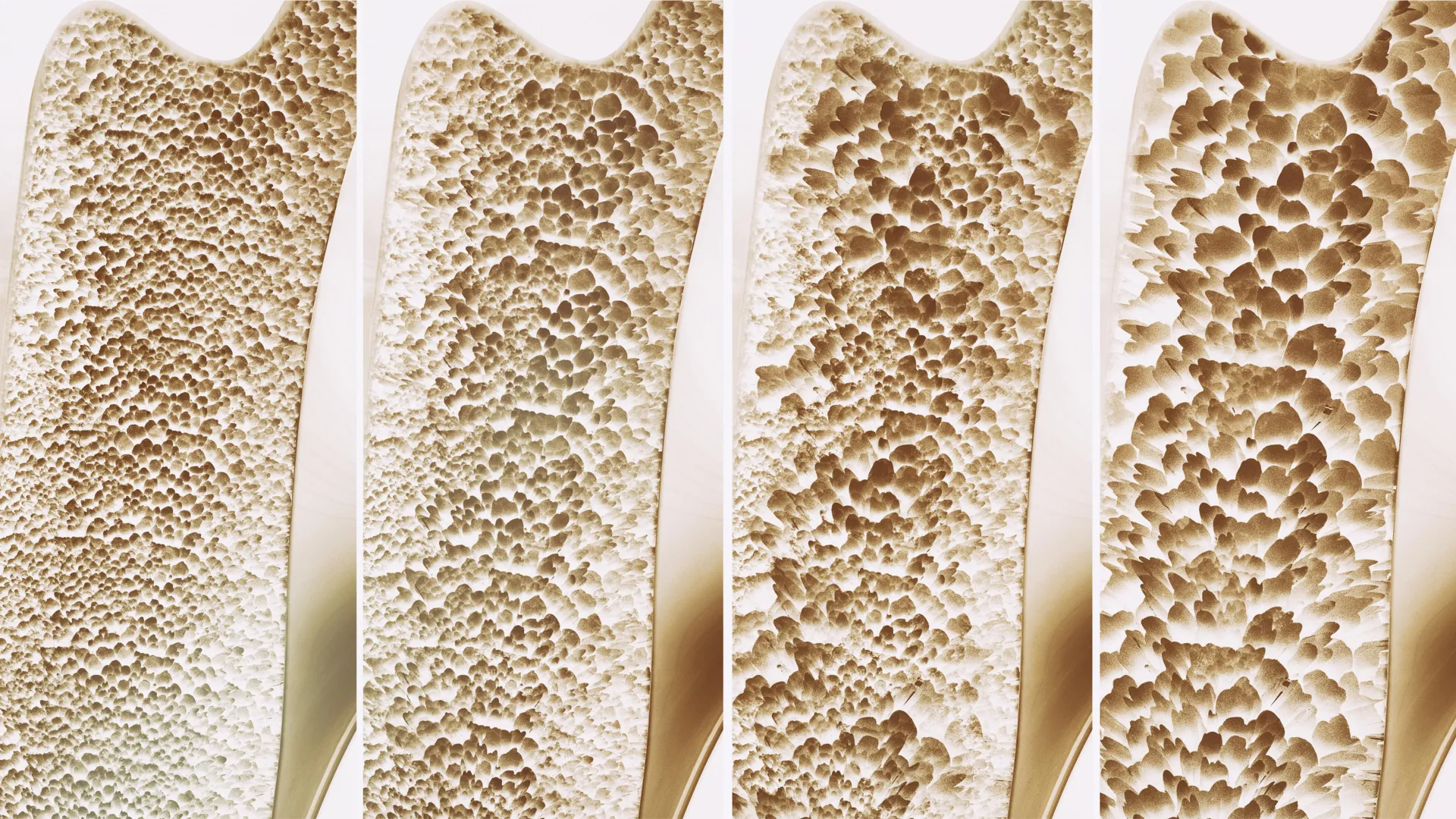
German researchers identify a receptor that may help fight osteoporosis
Leipzig University scientists have found that the receptor GPR133 could be a new target for osteoporosis treatment, after a compound called AP503 boosted bone strength in mice.
ScienceDaily Veselība · 9 Sept, 17:10

US Startup Offers Free Egg Freezing in Exchange for Donated Eggs
US company Cofertility lets young women freeze their eggs for free if they donate half of what's retrieved to people seeking an egg donor. One participant's experience reveals both the procedure's risks and how the company's attitude shifted based on profit.
Wired · 9 Sept, 13:10

Osteopath identifies five everyday habits that quietly damage bone health
Osteopath Carla Posnere explains that several seemingly harmless daily habits can weaken bones over time and raise the risk of bone problems. She stresses that skeletal health should be a concern long before old age.
Latvijas Avīze · 9 Sept, 12:11

Quitting smoking often fails because of wrong motivation and overreliance on willpower, says addiction specialist
Addiction specialist Ilze Reire explained that nicotine dependence operates on physical, behavioural and psycho-emotional levels, and the time before the first cigarette in the morning indicates its severity. The most common mistakes people make when trying to quit are relying solely on willpower and being motivated by external factors rather than personal emotional reasons.
Delfi · 8 Sept, 23:19

Cats age quietly: the subtle signs owners tend to miss
The first signs of ageing in cats usually develop gradually and can be easy to overlook. Once a pet is around 11 years old, it is worth paying closer attention to its daily habits.
Latvijas Avīze · 8 Sept, 21:18

Rattlesnake blood may hold key to powerful new antivenom, study finds
University of Maryland researchers found that combining toxin-blocking proteins from rattlesnake blood produces antivenom far more potent than current treatments. The discovery could lead to safer, cheaper antivenoms for a health threat that kills up to 140,000 people yearly.
ScienceDaily Veselība · 8 Sept, 17:12

Why Is It So Hard to Break Free from Alcohol Addiction
Experts point out that alcohol addiction is a biological process rather than a lack of willpower, and prolonged use changes the body so that stopping triggers severe withdrawal symptoms. Support options are available, including a Latvian-developed supplement called FACCEX.
Jauns.lv · 8 Sept, 09:09

Neurologist explains: dementia develops gradually, early signs often go unnoticed
Neurologist Anita Balcerbula explains that dementia is not a sudden illness but the outcome of a long process, whose early stage is known as cognitive impairment. Lifestyle changes may help prevent or delay its onset.
Jauns.lv · 8 Sept, 05:07

Cardiologist warns high blood pressure also weakens cognitive abilities
RSU professor and cardiologist Andris Skride warns that prolonged high blood pressure gradually impairs thinking and cognitive function, calling its treatment a key part of health prevention.
Latvijas Avīze · 8 Sept, 04:13

August in Healthcare: Hospital Reform, E-Prescription Changes and Aggression Against Medics
Latvia's healthcare sector saw several changes in August, including a new hospital network reform and adjustments to e-prescriptions, while also facing continued aggression against medical staff and public passivity during emergencies.
Apollo.lv · 8 Sept, 02:12
August in Healthcare: Hospital Reform, E-Prescriptions and Staff Safety
In August, Latvia's healthcare sector saw several changes — from a new hospital network reform to updates in e-prescription use — while aggression against medical staff and public passivity in emergencies remain pressing issues.
TVNET · 8 Sept, 02:12

14 years sober: man recounts his escape from severe alcohol addiction
A 56-year-old man known as Tarmo marks 14 years since he last drank alcohol, recalling years spent living out of his car and scavenging bins for food and deposit bottles. A former drinking companion's intervention and a support group helped turn his life around.
Delfi · 8 Sept, 01:15

Scientists say humans could theoretically live up to 190 years
A new study suggests that, according to one model, the human lifespan could theoretically reach nearly 190 years if all aging factors except one — somatic mutations — were eliminated. Researchers stress this remains far from achievable in practice.
Latvijas Avīze · 7 Sept, 14:09

10 rules for liver health: which foods help and which can harm
Nutrition experts outline general dietary principles for supporting liver health, aimed at easing strain on the organ and improving well-being. Key factors include a balanced diet, healthy body weight and limiting alcohol.
Jauns.lv · 7 Sept, 05:07

Latin American study: structured lifestyle program boosts cognition 55% more than general advice
A two-year study across 11 Latin American countries found that a structured, culturally adapted lifestyle program with ongoing coaching improved older adults' cognitive performance far more than general health advice. The findings confirm that a U.S.-developed model can be successfully adapted to other cultures.
ScienceDaily Veselība · 7 Sept, 04:16
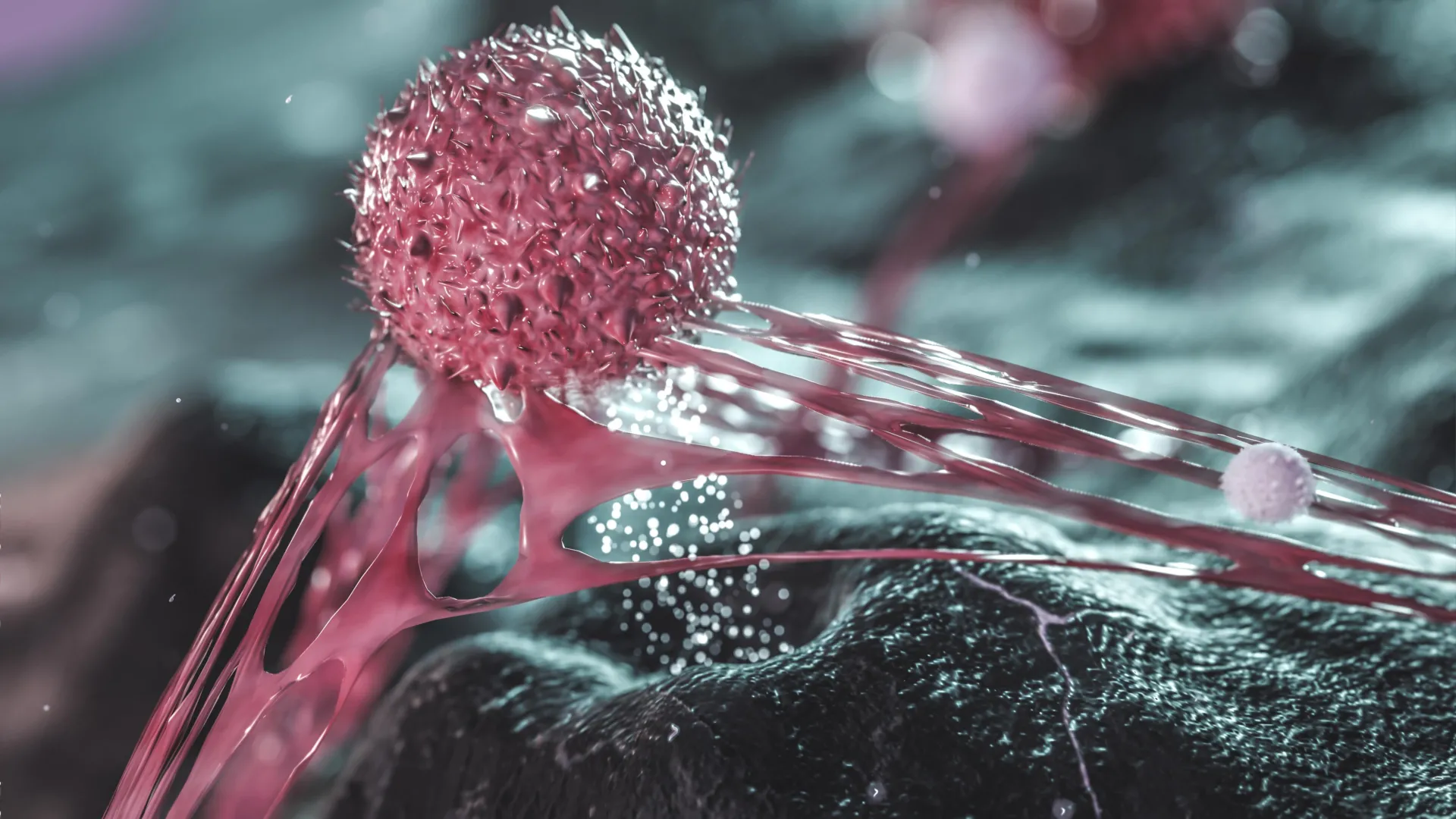
Scientists find breast cancer cells hiding behind protective "shields"
UK researchers have mapped breast tumors cell by cell, revealing that dormant cancer cells are often surrounded by protective immune and support cells. The discovery could help scientists design treatments that target both fast-growing and dormant tumor regions.
ScienceDaily Veselība · 7 Sept, 02:14
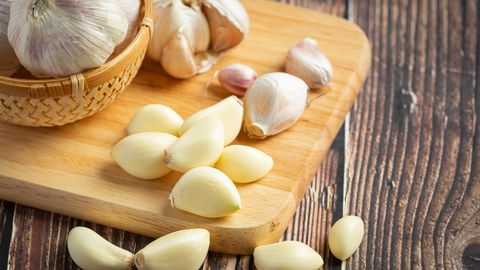
Does regularly eating garlic affect cholesterol levels?
Garlic is a widely used everyday food in many kitchens, yet its possible effect on cholesterol levels is a question that is rarely considered.
TVNET · 7 Sept, 02:11
Toxicologist warns: mushroom poisoning symptoms can appear with a delay
Roberts Stašinskis, head of the Intensive Care Clinic at Rīga Eastern Clinical University Hospital and a toxicologist, warns that people should not assume they are safe just because several hours have passed after eating mushrooms without any symptoms. He also notes that mushrooms grow not only in forests but also in cemeteries and parks.
TVNET · 7 Sept, 01:11
Toxicologist warns mushroom pickers about poisoning risks
Roberts Stašinskis, head of the Intensive Care Clinic at Eastern Hospital and a toxicologist, warns mushroom pickers not to assume that feeling fine for several hours after a meal means it was safe. He notes mushrooms grow not only in forests but also in cemeteries and parks.
Apollo.lv · 7 Sept, 01:11
Study links high tyrosine levels to shorter lifespan in men
A study of over 270,000 people found that elevated levels of the amino acid tyrosine may be associated with a shorter lifespan in men, while no such link was found in women.
ScienceDaily Veselība · 7 Sept, 01:08
Iranian man puts superglue in urethra to stop incontinence — surgery required
A 41-year-old Iranian man with urinary incontinence used superglue in his urethra for two weeks to stop leakage, but the adhesive hardened and blocked the urinary tract, requiring surgical removal.
Latvijas Avīze · 6 Sept, 23:15

Young woman shares TikTok testimony about sexual abuse by ex-boyfriend's brother
A woman known as Elīna Elizabete has posted a TikTok video revealing that more than three years ago she was sexually abused at night by the younger brother of her then-boyfriend. The video has sparked widespread reaction, encouraging other victims to speak out.
Delfi · 6 Sept, 22:07

Patients may be billed again for hospital bed-days after transfer to another hospital
Estonia's Health Insurance Fund has flagged that when a patient is transferred to another hospital to continue treatment for the same illness, the new hospital restarts the bed-day count and can charge for up to ten days again. The Social Affairs Ministry acknowledges the rules need clarifying.
ERR (rus) · 6 Sept, 15:11

Germany and Kosovo team up against tick spreading deadly virus
For over a decade, German and Kosovar researchers have been jointly tracking the Hyalomma tick and the Crimean-Congo hemorrhagic fever virus it carries, as climate change helps the species spread further into Europe. Their cooperation has sharply reduced severe infection cases in Kosovo.
Deutsche Welle · 6 Sept, 14:14

Nine heart-healthy snacks recommended by nutritionists
Nutrition experts say that snacks chosen between meals can also support heart and blood vessel health. A roundup highlights several foods containing nutrients beneficial for the cardiovascular system.
Jauns.lv · 6 Sept, 13:08

Scientists identify possible weak point in glioblastoma cells
Ohio State University researchers have identified a protein called SET as a target that could make glioblastoma, one of the deadliest brain cancers, more responsive to existing treatments. Preclinical experiments suggest suppressing it may slow tumor growth.
ScienceDaily Veselība · 6 Sept, 11:14